

How much does a roof replacement cost? The answer can vary significantly because the price depends on the roof itself, the roofing system selected, the materials and assembly used, and the conditions that affect how the work is completed.
Roof size, building height, site access, roof pitch, safety requirements, tear-off and disposal, and material choices can all affect the final price. Even two homes with similar square footage can have different replacement costs because the roofing work may not be the same.
In this article, we will explain the main factors that affect roof replacement cost, how roof size can influence pricing efficiency, and why it is useful to compare both upfront cost and longer-term ownership considerations.
What Affects Roof Replacement Cost?
Roof replacement costs can vary significantly from one property to another. That is why a price range is usually more useful than one fixed number. The final cost depends on the roof itself, the roofing system selected, and the conditions that affect how the work must be completed.
Roof Size
Roof size is one of the main factors that affects the total cost of a replacement. Roofing is commonly measured in “squares,” with one roofing square equal to 100 square feet.
A larger roof generally requires more materials and labor, so the total project cost is usually higher.
However, smaller roofs can sometimes have a higher cost per unit of roof area because expenses such as mobilization, equipment, and disposal are spread across less roofing area.
Larger projects may spread some of those costs across more area, which can improve unit pricing, even though the total project cost is still higher.
Building Height
The height of the home can affect both the amount of planning required and the cost of the work. Higher roofs increase fall exposure and may require additional safety measures, equipment, and time to move materials onto the roof and remove debris safely.
Those requirements can increase labor time and overall project cost.
Site Access
How easily crews and equipment can reach the property also matters. A home with clear access for materials, equipment, and disposal may be simpler to work on than one with limited space or difficult access.
If materials have to be moved farther, equipment is harder to position, or disposal arrangements are more complicated, the project may require additional time and planning.
Roof Pitch and Complexity
Roofs with steeper pitches or more complicated layouts can take more time to complete.
A steep roof can make movement and material handling more difficult, which can slow production and increase the amount of labor required. Valleys, multiple roof levels, transitions, and other roof details can also add complexity to the project.
The more complicated the roof is to work on safely and correctly, the more that complexity can affect the final price.
Roofing System and Material Quality
The roofing system selected can have a major effect on the cost of replacement.
Shingle, metal, tile, and low-slope roofing systems can have different upfront costs. But price can also vary within the same type of roof.
For example, the underlayment, product quality, manufacturer, and overall roof-system configuration can all affect the price. Two homes can both receive shingle roofs and still have different project costs because the materials and assemblies selected are not necessarily the same.
Tear-Off, Disposal, Equipment, and Labor
Removing the existing roof is another part of the replacement process that can affect cost.
The amount of material that must be removed, how debris is handled, the equipment needed for the property, and the amount of labor involved can all vary from one project to another.
These differences help explain why two roofs with similar square footage may still fall into different price ranges.
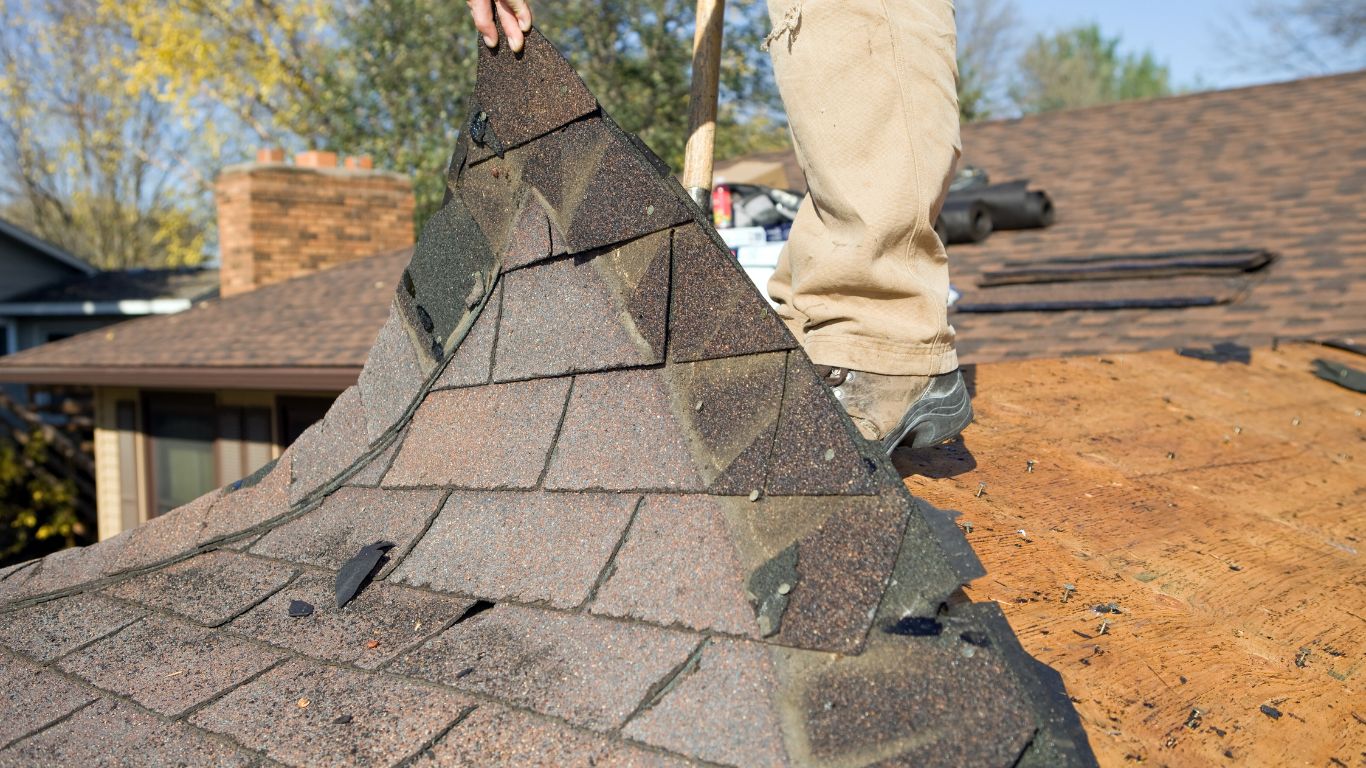
How Much Does a Roof Replacement Cost?
Roof replacement costs can vary based on the factors mentioned above. Because every roof and scope of work is different, there is not one price that applies to every project.
The roofing system and material selections also affect the upfront cost. Shingle roofing may have a lower upfront cost than some metal, tile, or low-slope roofing systems, while material quality and system configuration can also affect pricing within the same type of roof.
It’s also important to remember that roof replacement is not only about the initial installation cost.
Maintenance, future repairs, the timing of a future replacement, financing, and insurance considerations may also be part of the longer-term cost of a roofing system.
Because the final price depends on the property and the scope of work, a property-specific estimate is the best way to understand what a roof replacement will cost for your home.
Get a Roof Replacement Estimate
While roof replacement costs can vary based on several factors, the best way to understand the cost for your home is with a property-specific estimate and a clearly defined scope of work.
Skybird Roofing can help you review the roofing options that make sense for your property and understand how factors such as roof size, pitch, access, roofing system, and material selections affect the project.
If you are planning a roof replacement, contact Skybird Roofing to discuss your property and request an estimate.


